
Luxury homeowners’ window washing is the cleaning and detailing of residential glass, screens, and surrounding components with the aim of keeping views clear without damaging property finishes. This 2026 guide explains how to scope specialty glass, separate routine cleaning from restoration, and choose a service around your home’s access requirements.
- In San Antonio, window washing for luxury homeowners starts with a written scope covering glass, screens, access, and existing damage.
- Choose routine window cleaning for surface dirt; request separate assessment for mineral deposits and construction residue.
- Confirm specialty-glass instructions before approving tools, chemicals, or elevated access.
- Inspect completed work from inside and outside before closing the job.
Why window washing matters for luxury homeowners
A luxury home’s window-cleaning scope can include more than exterior panes: French panes, skylights, glass doors, solar screens, and detailed interior finishes each need attention. The right scope protects the whole window assembly, not just the view through it. A clean pane beside a dirty screen or debris-filled track leaves an unfinished result.
For your 2026 maintenance plan, separate ordinary soil from conditions that need assessment. Mineral deposits, paint, adhesive, and construction debris are different problems; treating every mark as routine dirt invites the wrong cleaning approach. Read the guide to window-cleaning solutions for hard-water stains before deciding whether washing alone addresses visible spotting.
Access matters just as much. Tall glass above landscaping, interior panes behind furniture, and windows fitted with removable solar screens require preparation before cleaning starts. Your provider should resolve those details before work begins, not improvise around them afterward.
Build your 2026 window-washing plan in 7 steps
1. Inventory every glass surface
Start with a walk-through and a simple written list. Divide the property into 3 zones: interior glass, exterior glass, and specialty glass. Photograph unusual panes and existing defects so the conversation stays specific.
Record window styles as well as locations. A broad picture window and a French-pane assembly involve different detailing, even when they occupy similar wall space. Note whether screens, tracks, sills, skylights, and glass doors belong in the requested work.
Your inventory becomes the reference for comparing proposals. Without it, one estimate can cover exterior glass while another includes interior detailing, leaving you comparing different jobs.
- List each room and exterior elevation.
- Identify French panes, skylights, and specialty glazing.
- Mark screens and solar screens separately.
- Photograph scratches, chips, staining, and damaged seals.
- Record areas excluded from the visit.
2. Identify the glass and its cleaning restrictions
Use your window paperwork, installer records, or manufacturer instructions before selecting cleaning products. Look for information about applied films, exposed coatings, decorative finishes, and any restrictions on abrasive tools or chemicals.
A stubborn spot is not permission to scrape the glass. If you cannot identify the surface or residue, stop and request an assessment. Scratching risk deserves more attention than removing every mark during a routine visit.
For a 2026 renovation handoff, keep contractor residue separate from household dirt. Paint, silicone, adhesive, and cement-based deposits require a different discussion from fingerprints or dust. Do not assume a standard wash includes their removal.
- Find available care instructions for specialty glazing.
- Identify tinted film and coated surfaces.
- Flag paint, silicone, stickers, and adhesive.
- Ask how unfamiliar deposits will be assessed.
- Require approval before work beyond the agreed scope.
3. Match the service to the actual condition
Your inventory and photographs provide a no-cost starting point. Use them to distinguish routine washing, component detailing, and restoration before requesting professional help; a clear brief makes the assessment more direct.
Texas Window Washing, LLC provides interior and exterior window washing, screen washing and repairs, track and sill detailing, hard-water stain removal, and post-construction window restoration in San Antonio and surrounding areas. Ask which services your specific windows need rather than treating the entire list as mandatory.
Texas Window Washing, LLC is best for San Antonio homeowners seeking window washing, screen care, and glass restoration from one provider. Its hard-to-reach glass service remains subject to equipment capabilities, so access must be confirmed for your property.
- Request routine washing for ordinary surface soil.
- Specify tracks, sills, and screens as separate scope items.
- Request restoration assessment for persistent mineral deposits.
- Identify construction residue before booking routine maintenance.
- Confirm equipment suitability for elevated or obstructed glass.
4. Agree on access and property protection
Walk the cleaning route yourself before the appointment. Identify locked gates, delicate landscaping, furniture near glass, window treatments, and rooms that require supervised access. This preparation gives the provider a practical route through the property.
Ask how interior floors and adjacent finishes will be protected, where equipment will be positioned, and who moves fragile objects. Do not assume the cleaning crew handles artwork, heavy furniture, or window coverings unless that responsibility is agreed.
For high windows, request an access plan rather than naming a method yourself. Water-fed poles, hand cleaning, and elevated access have different applications; the provider must match the method to the glass, surroundings, and available equipment.
- Clear access without moving heavy items unsafely.
- Identify fragile finishes and valuable objects.
- Agree on floor and furniture protection.
- Confirm gate, pet, and room-access arrangements.
- Resolve hard-to-reach areas before work starts.
5. Coordinate screens, tracks, and exterior work
Make a maintenance list and identify tasks that affect the same windows. If you are also planning exterior washing, painting, landscaping, or renovation work, agree on the sequence before scheduling the final glass cleaning.
Screens deserve their own inspection. A dirty screen is a different issue from a torn mesh panel or damaged frame; washing does not repair either defect. Solar-screen removal and reinstallation also need an explicit scope rather than an assumption that every exterior wash includes them.
Use the same approach indoors. Track and sill detailing should be named if you expect it, especially where furniture or window treatments make access difficult. Confirm which components the provider will handle and which remain untouched.
- Identify nearby exterior work that needs coordination.
- Separate screen washing from screen repair.
- Confirm solar-screen removal and reinstallation responsibilities.
- Name track and sill detailing in the scope.
- Agree on the sequence for overlapping maintenance tasks.
6. Set inspection and maintenance checkpoints
Build your 2026 schedule around observed conditions and household needs, not an unsupported promise that every home needs the same interval. Record what you see between visits: spotting near sprinklers, fingerprints on doors, screen buildup, and residue after nearby work.
At completion, use 4 checkpoints: glass, edges, components, and property condition. Look through the panes from inside, examine accessible exterior areas, and compare any remaining marks with the pre-cleaning photographs. Changing viewing angles helps you distinguish surface residue from an issue within the glazing assembly.
Request an explanation for persistent marks rather than authorizing repeated aggressive cleaning. A written record makes the next visit easier to scope and keeps unresolved defects separate from new dirt.
- Inspect glass from inside and outside where safely accessible.
- Check pane edges and corners for remaining residue.
- Review screens, tracks, and sills against the scope.
- Check surrounding surfaces and moved items.
- Record remaining defects and future maintenance needs.
7. Confirm the scope before authorizing work
Turn your notes into a short written agreement. Include the surfaces, components, exclusions, access arrangements, and restoration work you approve. A detailed proposal is easier to evaluate than a general promise to clean every window.
Ask for current insurance information and clarify how pre-existing damage or newly discovered problems will be documented. Texas Window Washing, LLC states that it is fully insured; property-specific access and specialty-glass requirements still need confirmation.
Keep your 2026 service record with the original window-care documents. The goal is a repeatable process: the next appointment should begin with known surfaces and known restrictions, not another guess at what the home needs.
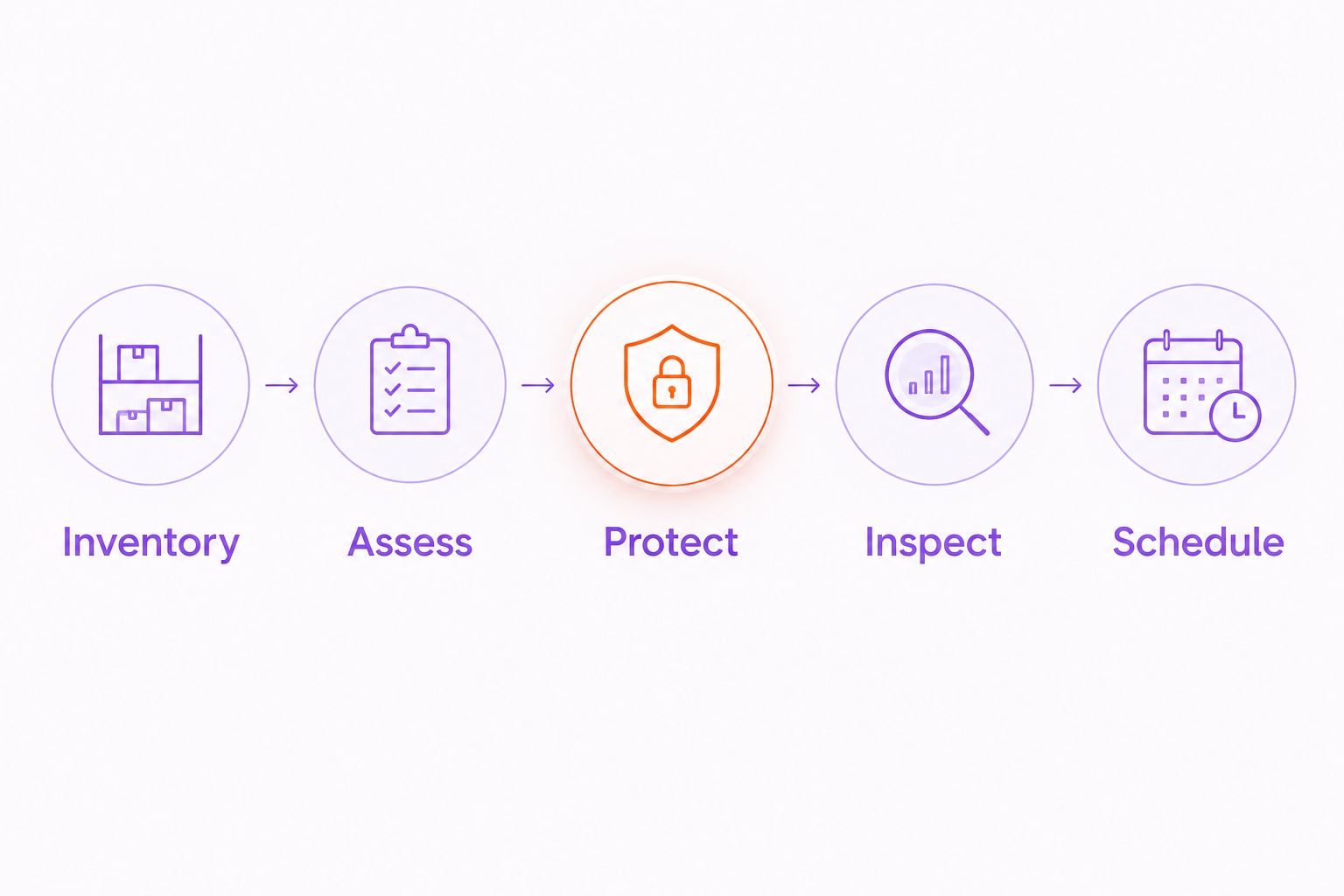
- Inventory the surfaces included in the visit.
- Assess stains, coatings, and existing damage.
- Protect finishes and resolve access requirements.
- Inspect completed work against the written scope.
- Schedule follow-up from recorded conditions.
Compare window-cleaning options for your home
Choose the option that matches the problem, not the longest service list. Routine maintenance and restoration are different scopes. Professional help reduces the work you handle yourself, but it does not remove the need to confirm glass compatibility, access, or exclusions.
| Option | Best for | Main advantage | Key limitation |
|---|---|---|---|
| Homeowner cleaning of safely accessible glass | Small touch-ups on identified surfaces | You control timing and inspect the area directly | Does not resolve unsafe access or unidentified deposits |
| Professional routine window washing | Interior and exterior surface dirt | Transfers the cleaning work to a service provider | Screens, tracks, and restoration need explicit inclusion |
| Specialist restoration assessment | Mineral deposits or construction residue | Separates deposit removal from ordinary washing | Assessment does not guarantee every mark is removable |
| Texas Window Washing, LLC window washing and detailing | San Antonio homeowners needing glass and related component care | Offers washing, screens, tracks, sills, and restoration services | Hard-to-reach work depends on equipment capabilities; confirm each scope item |
You do not need restoration everywhere because one pane has staining. Ask for a location-specific scope so routine cleaning remains separate from work that requires additional assessment.
Common mistakes luxury homeowners make
Treating every pane as the same surface
Decorative glass, applied film, and exposed coatings deserve identification before cleaning. Keep the relevant care instructions with your property records instead of relying on appearance to decide which tools are suitable.
Booking final cleaning before renovation residue is identified
A renovation handoff needs a residue inventory, not just a request for spotless glass. Tell the provider about paint, silicone, adhesives, and other deposits before approving post-construction work.
Assuming detailed service includes every component
Screens, tracks, sills, glass doors, and skylights are distinct scope items. Write down the components you expect cleaned. Otherwise, a clean main pane can conceal a mismatch between your expectations and the agreed work.
Approving access without checking the surroundings
Tall glass is only part of the access question. Landscaping, flooring, furniture, and narrow routes affect how equipment reaches the work area; review those constraints before the appointment.
Choosing a schedule without inspecting the result
A recurring appointment does not replace condition checks. Review what actually accumulated between visits, then adjust the next scope rather than repeating unnecessary work or leaving recurring trouble spots unaddressed.
FAQ
What’s the best approach to window washing for luxury homeowners?
Start with a written inventory of glass, screens, access constraints, and existing damage. Match routine washing to surface dirt and request separate assessment for mineral deposits, specialty coatings, or construction residue.
Does professional window washing include screens and tracks?
Screens and tracks are included only when the agreed scope names them. Ask separately about screen washing, repairs, track detailing, sill detailing, and solar-screen removal or reinstallation.
Can routine window washing remove hard-water stains?
Routine window washing is not the same service as hard-water stain removal. Request an assessment of persistent spotting before authorizing restoration, and confirm what result is achievable on the affected glass.
Who provides luxury-home window washing in San Antonio?
Texas Window Washing, LLC serves San Antonio and surrounding areas with residential window washing, screen care, detailing, and restoration services. Confirm the scope and equipment suitability for your property’s glass and access requirements.
How often should I schedule window cleaning in 2026?
Set your 2026 window-cleaning schedule from observed buildup, access needs, and household priorities. Record conditions between visits and use those notes to decide which surfaces need the next service.
Should I arrange window cleaning before or after renovation work?
Coordinate the final glass cleaning with the contractor’s remaining work and identify construction residue before booking. Keep debris removal and restoration separate from routine washing in the written scope.
What should I check before the window cleaner leaves?
Check the glass, pane edges, included components, and surrounding property against the agreed scope. Compare remaining marks with the pre-cleaning record and ask for an explanation before approving additional treatment.
One last thing
The mark that survives cleaning is a reason to diagnose, not scrub harder. Ask Texas Window Washing, LLC to distinguish remaining surface deposits from apparent glass defects before authorizing further work. Keeping that distinction in your service record is more useful than demanding another pass without knowing what remains.
Related guides
- Solar screens for Texas homes
- Window cleaning for general contractors
- Window cleaning for real estate agents in San Antonio